

Okay, so check this out—I've been messing with Solana wallets for years. Whoa! My first impression was: fast, flashy, too good to be true. Seriously? Yup. At first I thought all wallets were the same, just different skins. Actually, wait—let me rephrase that. Some are similar on the surface, but the UX and extension behavior make or break day-to-day use. My instinct said: pick the one that stays out of your way but still locks down your keys. Somethin' about that balance matters more than gas fees, honestly.
Here's the thing. Phantom isn't flawless. But it nails the basics in a way that feels thoughtfully designed — convenient transaction signing, token discovery, NFT handling — and it behaves like a browser-native companion instead of a clunky app. On one hand it's lightweight and polished. On the other hand, you must be picky about where you download the extension. I learned that the hard way (ah, the grief...).
Before you click anything, breathe. Really. Your keys equal control. So the stakes are high. I've had moments where a transaction popup looked normal but something felt off... and because I paused, I avoided a bad outcome. That pause is a legit habit you should adopt.
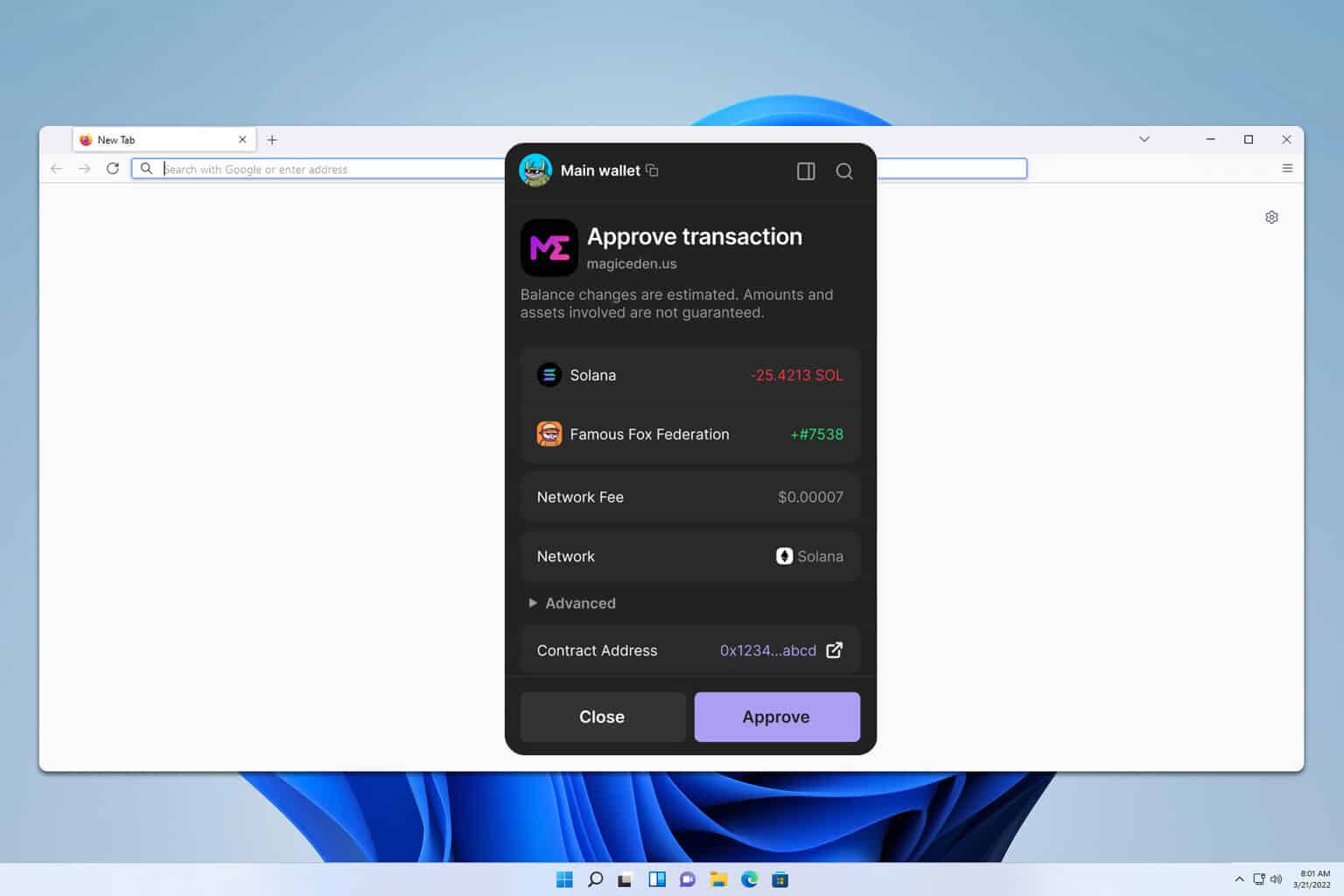
Why Phantom stands out in the Solana ecosystem
Phantom is often the first extension people try when they dive into Solana. It's sleek. It integrates with marketplaces, DEXes, and in-game wallets well. Short list: easy key management, hardware wallet support, built-in token swaps, and a tidy NFT gallery. But the real win is the extension model — you get popups that give you context for each signature, and most developers build with Phantom in mind. That matters.
My quick gut read: Phantom gets UX. My slower, nerdy read: the code patterns and developer integrations make it low-friction for dapps. Initially I thought it was just hype. Then I watched a dozen dapps default to Phantom-supported flows, and I changed my mind. On the downside, any extension is still a browser extension. So the risks are browser-based: compromised extensions, malicious sites, clipboard hijacks. Use them with care.
How to get the extension — safely
If you want to install, do not blindly click the first "download" you find. Seriously. Phishing extensions happen. Here's a practical approach I use: verify the source, check reviews/ratings, look at the permissions, and watch for odd domain names in the store link (especially short-lived or newly made ones). My rule: prefer the official store listing or a reputable site link from a known project. If you want a straightforward place to start, try the official link I used when I reinstalled: phantom wallet download extension. It led me to the extension installer I trusted (and yes, I vetted it first).
Some step-by-step notes (quick):
- Open your browser's extension/add-ons store (Chrome Web Store or Firefox Add-ons).
- Search for Phantom and confirm the publisher and number of users. Don't click shady popups.
- Install, then create a new wallet or import via seed phrase — only on the device you control.
- Backup your seed phrase offline. Seriously. Write it down. No screenshots on cloud-synced phones.
Something felt off once when an installer asked for an odd permission. I cancelled. That pause saved me. I'm biased, but that reaction matters.
Security habits that actually help
I'm gonna be blunt: 90% of wallet compromise is user-side mistakes. Phished links, shared seeds, insecure backups. Stop storing your seed on Google Drive. Please. Short sentences here. Long sentence coming — because this is where nuance helps: if you use a password manager for browser login credentials, combine that with a hardware wallet for signing, and treat the seed phrase like a legal document that if lost could ruin your years of NFT collecting or DeFi positions, you'll sleep better at night, though you'll still need to keep an eye on change-of-approval requests and smart contract interactions that try to drain allowances.
Practical habits I actually use:
- Only connect to dapps I recognize. If an app asks for unlimited approval, deny and review.
- Set shorter allowance windows where possible. Revoke unused approvals.
- Use a hardware wallet (Ledger/Trezor) with Phantom for big balances.
- Regularly audit installed extensions. Remove what you don't use.
On one hand these are simple rules. On the other hand they require discipline. And yes, sometimes they feel like overkill — until they're not.
Common issues and quick fixes
Wallet not connecting? Try toggling the extension off and on, clear site data for the dapp, and restart the browser. Transaction stuck? Check recent mempool activity and look up the signature in a Solana explorer — sometimes you just need to wait for confirmations. If a swap fails, double-check slippage settings and token decimals; somethin' as small as the wrong decimal can break the UX and your balance.
Pro tip: if Phantom shows a pending signature you didn't initiate, disconnect the site immediately and revoke permissions. Really. That odd popup is your red flag — treat it like a mosquito in the room you didn't invite.
What bugs me about extensions
Here's what bugs me about many extensions: permission creep and silent updates. Extensions can gain new privileges with a version bump, and if you don't audit changes you might be giving more than you intended. Also, browser sync features are both a blessing and a spy. Use them carefully. (Oh, and by the way... I keep my seed offline.)
Okay, so check this out—there are tradeoffs. Browser extensions are convenient for daily use and quick wallet interactions. But if you're holding long-term assets, consider cold storage strategies or hardware-wallet-centric workflows. Personally, I use Phantom for daily DeFi fiddling and a hardware wallet for the vault.
How Phantom handles NFTs and DeFi
One reason Phantom took off was the NFT gallery. It’s clean and lets you browse without loading multiple sites. For DeFi, Phantom integrates with Serum-based DEXes and other SPL token tools. Initially I thought that a wallet would be just about token balances, but then I realized the UX around signing — like showing token icons, domain names, and a clear “amount + destination” line — really reduces mistakes. Still, it's not foolproof. Double-check destination addresses — domain lookups can be impersonated sometimes.
On the technical side, Phantom implements Solana's signing behavior in a way that most dapps expect. That makes development and adoption easier, and it reduces weird edge cases when a signature format differs. So as a power user or a developer, you get fewer surprises. Though I will say: every now and then a messy dapp will try to request broad authority, and you have to be the grownup who says no.
FAQ — quick answers
Is the Phantom extension safe?
It can be safe if you install only from trusted sources, verify the publisher, use hardware wallet support for big balances, and keep seeds offline. Phishing extensions exist, so always check the store listing and permissions.
Can a browser extension steal my funds?
Extensions with broad permissions could. That's why you should limit installed extensions, audit permissions, and never paste your seed into a website or extension. Use hardware wallets for high-value security.
What if I lose my seed phrase?
Without the seed phrase (or hardware wallet), recovery is usually impossible. Backups are crucial. I recommend multiple physical copies stored in separate safe places — not in the cloud.
Do I need Phantom for all Solana dapps?
No, but many dapps optimize for Phantom because of its market share. You can use other wallets or wallet adapters, but your experience might differ slightly depending on how the dapp handles wallet interactions.
Alright—closing thought that isn't a conclusion. I'm still exploring. New updates change how I use the extension, and somethin' about that dynamism keeps me coming back. If you install it, be curious and skeptical in equal measure. Take small steps, test with tiny amounts, and build better habits, slowly. Hmm... I could keep rambling, but go try the extension carefully and then tell me what you thought — I'm not 100% sure on every edge case, but I know the good parts when I see 'em.